Understanding Your Dog: Tips for Effective Communication
- pawsomehounds1223
- 2 days ago
- 4 min read
Dogs are often called "man's best friend," but how well do we truly understand them? Effective communication with your dog is essential for building a strong bond and ensuring a happy, healthy relationship. In this post, we will explore various ways to enhance your communication skills with your furry companion, helping you to understand their needs, emotions, and behaviors better.

The Importance of Understanding Your Dog
Understanding your dog goes beyond just knowing basic commands. It involves recognizing their body language, vocalizations, and behaviors. Dogs communicate primarily through non-verbal cues, and being attuned to these signals can significantly improve your relationship. Here are a few reasons why understanding your dog is crucial:
Strengthens the Bond: A deeper understanding fosters trust and strengthens the bond between you and your dog.
Improves Training: Knowing how your dog communicates can make training more effective and enjoyable.
Enhances Safety: Understanding your dog's signals can help prevent dangerous situations, such as aggression or fear responses.
Recognizing Body Language
Dogs express themselves through body language, and being able to read these signals is key to effective communication. Here are some common body language cues to look for:
Tail Position
High and Wagging: Indicates excitement and happiness.
Low and Tucked: Suggests fear or submission.
Stiff and Horizontal: Can indicate alertness or aggression.
Ears
Forward: Shows curiosity or interest.
Back: Indicates fear, submission, or uncertainty.
Relaxed: A sign of comfort and relaxation.
Eyes
Soft Eyes: A relaxed dog will have soft, gentle eyes.
Hard Stare: Can indicate a challenge or aggression.
Blinking: A sign of submission or a calming signal.
Posture
Relaxed Body: Indicates comfort and trust.
Crouched or Tensed: Suggests fear or anxiety.
Play Bow: A clear invitation to play.
Vocalizations and Their Meanings
Dogs also communicate through sounds. Understanding these vocalizations can help you respond appropriately to your dog's needs.
Barking
Excited Barking: Often occurs when a dog is happy or wants to play.
Alert Barking: A warning to alert you of something unusual.
Whining: Can indicate discomfort, anxiety, or a desire for attention.
Growling
Play Growl: A low growl during playtime can indicate excitement.
Warning Growl: A more serious growl can signal discomfort or a threat.
Howling
Communication: Dogs may howl to communicate with other dogs or to get your attention.
Building a Stronger Connection
To enhance your communication with your dog, consider the following tips:
Spend Quality Time Together
Engaging in activities that your dog enjoys can strengthen your bond. Whether it's playing fetch, going for walks, or simply cuddling on the couch, quality time is essential.
Use Positive Reinforcement
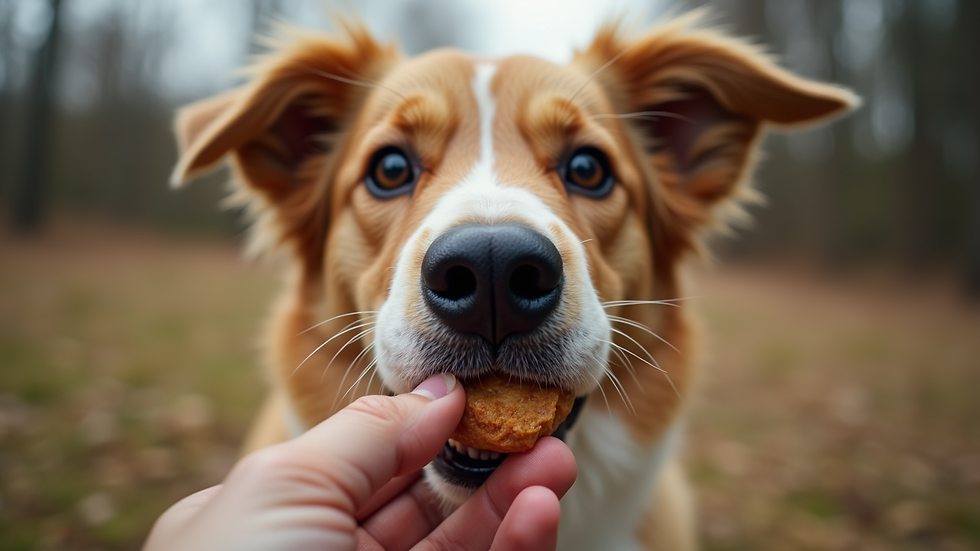
Rewarding your dog for good behavior encourages them to repeat those actions. Use treats, praise, or playtime as rewards to reinforce positive behavior.
Be Consistent
Consistency in commands and routines helps your dog understand what is expected of them. Use the same words and gestures for commands to avoid confusion.
Observe and Adapt
Pay attention to your dog's reactions and adjust your approach accordingly. If they seem anxious or uncomfortable, try to create a more relaxed environment.
Understanding Your Dog's Needs
Every dog is unique, and understanding their individual needs is crucial for effective communication. Here are some factors to consider:
Breed Characteristics
Different breeds have different temperaments and energy levels. Research your dog's breed to understand their specific needs and behaviors.
Age and Health
Puppies, adult dogs, and senior dogs have varying needs. Be mindful of their age and health status when communicating and interacting with them.
Socialization
Socializing your dog with other dogs and people can improve their confidence and communication skills. Gradually expose them to new experiences to help them adapt.
Common Misunderstandings
Miscommunication can lead to frustration for both you and your dog. Here are some common misunderstandings to avoid:
Misinterpreting Playfulness
Sometimes, a dog's playful behavior can be mistaken for aggression. Understanding the context and body language can help clarify their intentions.
Overreacting to Barking
Barking is a natural behavior for dogs. Instead of reacting negatively, try to understand the reason behind the barking and address it appropriately.
Ignoring Signs of Stress
If your dog shows signs of stress or anxiety, such as panting or pacing, it's essential to address the issue rather than dismissing it as bad behavior.
Creating a Positive Environment
A positive environment can significantly impact your dog's behavior and communication. Here are some ways to create a supportive atmosphere:
Provide a Safe Space
Ensure your dog has a comfortable and safe area where they can retreat when feeling overwhelmed. This could be a cozy bed or a designated quiet room.
Establish a Routine
Dogs thrive on routine. Establishing a consistent schedule for feeding, walks, and playtime can help your dog feel secure and reduce anxiety.
Encourage Exploration
Allow your dog to explore their environment safely. This can help build their confidence and improve their communication skills.
Conclusion
Understanding your dog is a journey that requires patience and observation. By recognizing their body language, vocalizations, and individual needs, you can enhance your communication and strengthen your bond. Remember, effective communication is a two-way street; it involves listening as much as it does speaking. Take the time to learn about your dog's unique personality, and you'll find that your relationship becomes more fulfilling and enjoyable.
As you continue to develop your communication skills, consider sharing your experiences with other dog owners. Together, we can create a community that fosters understanding and compassion for our furry friends.

Comments