Building Trust: A Guide to One-on-One Dog Training
- pawsomehounds1223
- 2 days ago
- 4 min read
Training your dog is not just about teaching commands; it's about building a relationship based on trust and understanding. One-on-one dog training offers a unique opportunity to strengthen this bond, allowing for personalized attention and tailored techniques that suit your dog's specific needs. In this guide, we will explore the essential elements of one-on-one dog training, providing you with practical tips and insights to help you and your furry friend thrive together.

Understanding the Importance of Trust in Dog Training
Trust is the foundation of any successful relationship, and this is especially true in the context of dog training. When your dog trusts you, they are more likely to respond positively to your commands and cues. Here are some key reasons why building trust is crucial:
Enhanced Learning: Dogs learn better in a safe and trusting environment. When they feel secure, they are more willing to explore and engage with new commands.
Reduced Anxiety: A trusting relationship can help alleviate anxiety in dogs, making them more comfortable during training sessions.
Improved Behavior: Trust leads to better behavior overall. Dogs that trust their owners are less likely to exhibit fear-based reactions, such as aggression or withdrawal.
Establishing a Strong Bond with Your Dog
Before diving into specific training techniques, it's essential to establish a strong bond with your dog. Here are some effective ways to build that connection:
Spend Quality Time Together
Engage in activities that your dog enjoys, such as playing fetch, going for walks, or simply lounging together. This quality time helps reinforce your bond and builds trust.
Use Positive Reinforcement
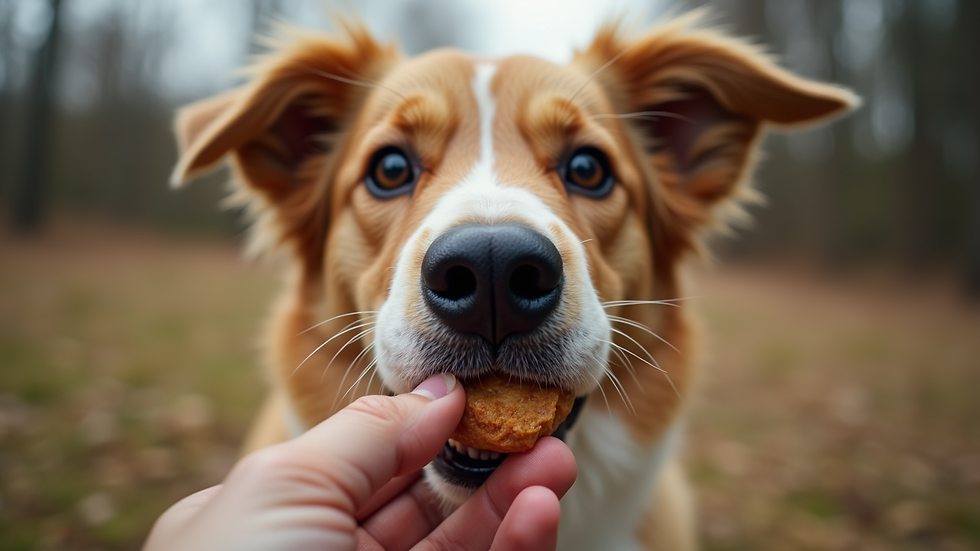
Positive reinforcement is a powerful tool in dog training. Reward your dog with treats, praise, or playtime when they exhibit desired behaviors. This approach encourages them to repeat those behaviors in the future.
Be Consistent
Consistency is key in dog training. Use the same commands and cues every time to avoid confusing your dog. This consistency helps them understand what you expect and builds their confidence in your guidance.
One-on-One Training Techniques
Now that you've established a bond with your dog, it's time to explore specific one-on-one training techniques that can enhance your training experience.
Focus on Basic Commands
Start with basic commands such as "sit," "stay," "come," and "down." These foundational commands are essential for effective communication and can significantly improve your dog's behavior.
Sit: Hold a treat above your dog's nose and move it back over their head. As they look up, their bottom will naturally lower to the ground. Once they sit, reward them immediately.
Stay: Ask your dog to sit, then take a step back. If they stay in position, reward them. Gradually increase the distance and duration of the stay command.
Incorporate Real-Life Situations
Training in real-life situations can help your dog generalize their skills. For example, practice commands during walks, at the park, or when guests arrive at your home. This exposure helps your dog learn to respond to commands in various environments.
Use Clicker Training
Clicker training is an effective method that uses a clicker to mark desired behaviors. The sound of the clicker signals to your dog that they have done something right, followed by a reward. This technique can enhance communication and clarity during training.
Addressing Behavioral Issues
One-on-one training is also an excellent opportunity to address specific behavioral issues. Here are some common problems and strategies to tackle them:
Leash Pulling
If your dog pulls on the leash during walks, try the following:
Stop and Go: When your dog pulls, stop walking. Wait until they return to your side before continuing. This teaches them that pulling does not lead to progress.
Change Directions: If your dog pulls, change direction suddenly. This will encourage them to pay attention to you and follow your lead.
Excessive Barking
To manage excessive barking, consider these techniques:
Identify Triggers: Observe what causes your dog to bark. Once you identify the triggers, you can work on desensitizing them to those stimuli.
Teach the "Quiet" Command: When your dog barks, say "quiet" in a calm voice. Once they stop barking, reward them. This helps them learn that being quiet is a desirable behavior.
The Role of Patience in Training
Patience is a vital component of successful dog training. Every dog learns at their own pace, and it's essential to remain calm and supportive throughout the process. Here are some tips to cultivate patience:
Set Realistic Goals: Understand that training takes time. Set achievable goals for each session and celebrate small victories.
Take Breaks: If you or your dog become frustrated, take a break. Short, focused training sessions are often more effective than long, drawn-out ones.
The Benefits of Professional Training
While one-on-one training can be highly effective, consider the benefits of working with a professional dog trainer. A trainer can provide valuable insights, personalized guidance, and support tailored to your dog's unique needs. Here are some advantages of seeking professional help:
Expertise: Professional trainers have extensive knowledge and experience in dog behavior and training techniques.
Customized Plans: A trainer can create a personalized training plan that addresses your dog's specific challenges and goals.
Support and Accountability: Working with a trainer provides ongoing support and accountability, helping you stay committed to your training journey.
Conclusion
Building trust through one-on-one dog training is a rewarding journey that strengthens the bond between you and your furry companion. By focusing on positive reinforcement, consistency, and patience, you can create a strong foundation for effective training. Remember, every dog is unique, and the key to success lies in understanding their individual needs and learning styles. Whether you choose to train on your own or seek professional help, the most important thing is to enjoy the process and celebrate the progress you make together.
Take the first step today and start building that trust with your dog—your bond will flourish, and your training will be all the more effective for it.

Comments