Positive Reinforcement: The Key to Successful Dog Training
- pawsomehounds1223
- 2 days ago
- 4 min read
Training your dog can often feel like a daunting task. Many dog owners struggle with behavioral issues, leading to frustration for both the pet and the owner. However, one method stands out as particularly effective: positive reinforcement. This approach not only fosters a strong bond between you and your dog but also encourages desired behaviors in a gentle and effective manner.
In this blog post, we will explore the principles of positive reinforcement, its benefits, and practical tips for implementing it in your dog training routine.
Understanding Positive Reinforcement
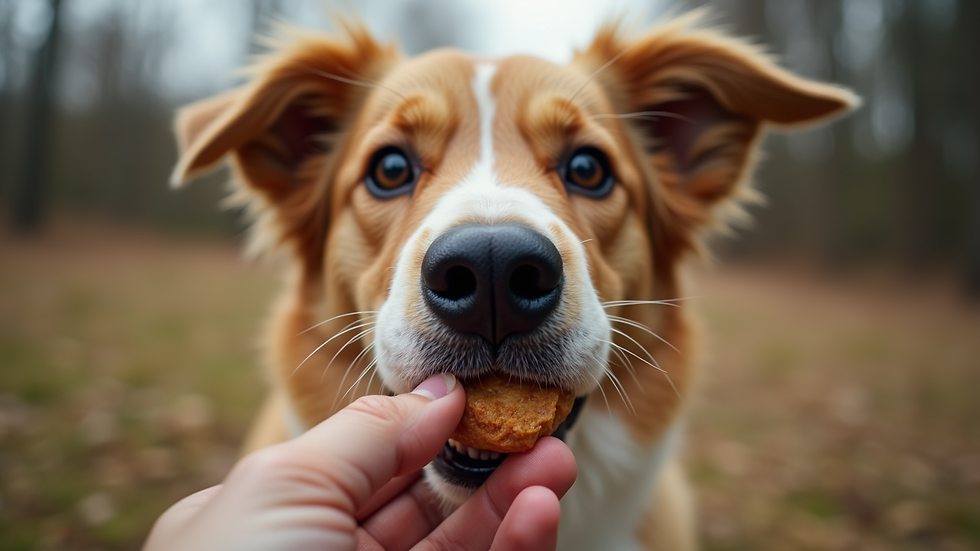
Positive reinforcement is a training method that involves rewarding desired behaviors to encourage their repetition. This can be done through treats, praise, or playtime. The key is to provide a reward immediately after the desired behavior occurs, which helps the dog associate the action with a positive outcome.
The Science Behind Positive Reinforcement
The effectiveness of positive reinforcement is rooted in behavioral psychology. When a behavior is followed by a reward, it is more likely to be repeated. This principle, known as operant conditioning, was popularized by psychologist B.F. Skinner. In simple terms, rewarding good behavior leads to more of that behavior in the future.
Why Choose Positive Reinforcement?
Builds Trust: Using positive reinforcement helps create a trusting relationship between you and your dog. Your dog learns to associate you with good things, making them more likely to listen to you.
Reduces Fear and Anxiety: Unlike punishment-based training methods, positive reinforcement does not instill fear in your dog. This leads to a more relaxed and confident pet.
Encourages Learning: Dogs are more likely to engage in training when they are rewarded for their efforts. This makes the learning process enjoyable for both you and your dog.
Promotes Good Behavior: By focusing on rewarding good behavior rather than punishing bad behavior, you create a more positive environment that encourages your dog to behave well.
Getting Started with Positive Reinforcement
Now that you understand the benefits of positive reinforcement, let’s dive into how to implement it effectively in your dog training routine.
Step 1: Identify Desired Behaviors
Before you can reward your dog, you need to identify the behaviors you want to encourage. Common behaviors to focus on include:
Sit
Stay
Come
Leave it
Heel
Step 2: Choose Your Rewards
Rewards can vary based on what motivates your dog. Here are some options to consider:
Treats: Small, tasty treats are often the most effective reward. Choose something your dog loves but reserve it specifically for training sessions.
Praise: Verbal praise, such as saying "Good boy!" or "Well done!" can be very motivating for dogs.
Playtime: Some dogs are motivated by play. Use a favorite toy or a game of fetch as a reward.
Step 3: Timing is Everything
The timing of your reward is crucial. You should reward your dog immediately after they perform the desired behavior. This helps them make the connection between the action and the reward.
Step 4: Be Consistent
Consistency is key in dog training. Use the same commands and rewards each time to help your dog understand what is expected of them.
Step 5: Gradually Increase Difficulty
Once your dog has mastered a behavior, you can gradually increase the difficulty. For example, if you are teaching "sit," start by rewarding them for sitting in a quiet environment. Then, gradually introduce distractions or practice in different locations.
Common Mistakes to Avoid
While positive reinforcement is a powerful tool, there are some common pitfalls to avoid:
Inconsistent Rewards: If you reward your dog inconsistently, they may become confused about what behavior is being rewarded.
Rewarding the Wrong Behavior: Make sure you are only rewarding the desired behavior. For example, if your dog jumps up for a treat, do not reward them until they are sitting calmly.
Overusing Treats: While treats are effective, be cautious not to overuse them. Gradually phase out treats and replace them with praise or playtime as your dog becomes more reliable.
Real-Life Examples of Positive Reinforcement
To illustrate the effectiveness of positive reinforcement, let’s look at a couple of real-life examples.
Example 1: Teaching "Sit"
When teaching your dog to sit, start by holding a treat above their nose. As they look up, their bottom will naturally lower to the ground. The moment they sit, say "Sit" and reward them with the treat. Repeat this several times until they associate the command with the action.
Example 2: Overcoming Fear of Strangers
If your dog is fearful of strangers, use positive reinforcement to help them feel more comfortable. When a stranger approaches, reward your dog for staying calm. Gradually, they will learn that strangers are not a threat and may even enjoy their company.
Advanced Techniques in Positive Reinforcement
Once you and your dog have mastered the basics, you can explore more advanced techniques to enhance your training.
Clicker Training
Clicker training is a popular method that uses a small handheld device that makes a clicking sound. The click serves as a marker for the desired behavior, followed by a reward. This method can help improve communication between you and your dog.
Shaping Behavior
Shaping involves rewarding successive approximations of a desired behavior. For example, if you want your dog to roll over, start by rewarding them for lying down, then for rolling onto their side, and finally for completing the roll. This gradual approach helps your dog learn complex behaviors.
Using a Variable Reward Schedule
Once your dog has mastered a behavior, consider using a variable reward schedule. This means rewarding them unpredictably, which can keep them engaged and motivated to perform the behavior consistently.
Conclusion
Positive reinforcement is a powerful and effective method for training your dog. By focusing on rewarding desired behaviors, you can build a strong bond with your pet while encouraging good behavior. Remember to be consistent, patient, and most importantly, have fun during the training process.
As you embark on your dog training journey, keep in mind that every dog is unique. Tailor your approach to fit your dog's personality and needs. With time and dedication, you will see the positive results of your efforts. Happy training!


Comments